
Wilpattu National Park
To explore Sri Lankas nature trails on road less travelled head further up from Kalpitiya to Wilpattu National Park. The park is located in the northwest coast low land dry zone roughly a one hour drive from Barreef Resort.
Wilpattu, is renowned as Sri Lanka’s largest National Park and is one of the oldest National parks. It was declared a National park in the year 1935. It was a declared Sanctuary before this period and the jungles existence is also written in the country’s ancient history.
There are many types of vegetation to be found in Wilpattu; Littoral vegetation, including Salt grass and low scrub monsoon forest with tall emergents, such as Palu (Manilkara hexandra),Satin (Chloroxylon swietenia), Milla (Vitex altissima), Weera (Drypetes sepiaria), Ebony (Disopyros ebenum) etc.
Wilapattu in the meaning of its name captures what it entails a land of many lakes “Willu” or collection of water bodies (tanks) of various sizes. Among Sri Lanka’s National Parks Wilpattu National Park is unique with its Biodiversity. Over 25 species of mammals, unique Flora and Birds can be found in Wilpattu Jungles.
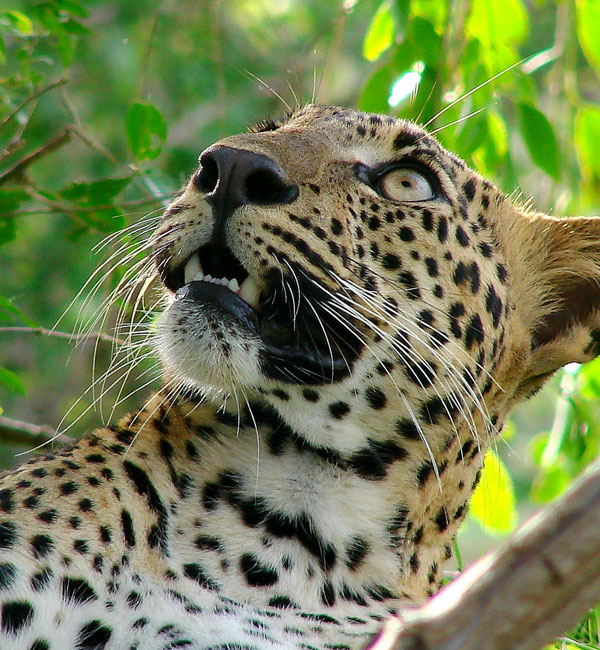
Endangered animal species found in Sri Lanka such as the wild elephant, sloth bear, leopard, and the wild water buffalo adorn the rich wilderness of Wilpattu. The Sri Lankan elephant roam in herds while some magnificent giants walk with pride as lone elephants. Another special feature of Wilpattu is its Leopard population, renowned world over for spotting the majestic leopard. However to date the actual leopard population of this park is unknown.
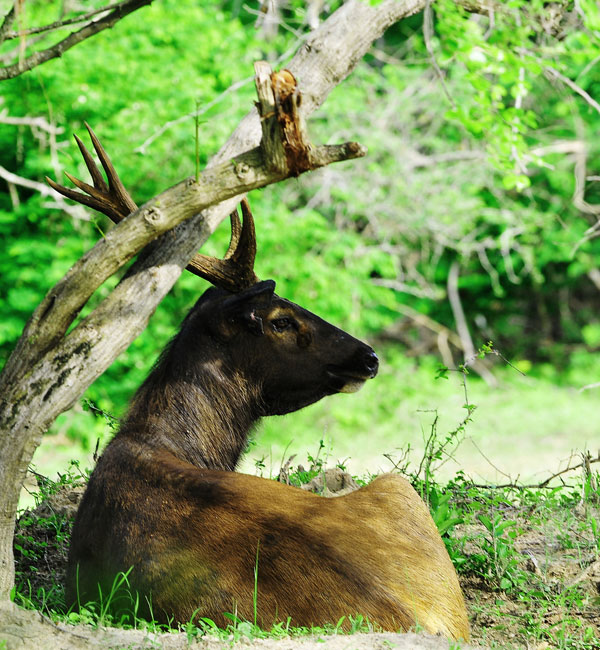
The wild sambhur, spotted deer, mongoose, and mouse deer are also permanent residents of Wilpattu. Most commonly sighted reptiles slithering in the Villus (water bodies) are the water lizard, Crocodile, common Cobra, Rat snakes and the Indian Python. Among the birds one can see circling the skies of the Wilpattu is the painted stork, open bill, little cormorant, Sri Lankan Jungle fowl, many species of owls, eagles, gulls, wetland birds such as spoonbill, purple heron, egrets, white ibis, whistling teal, pintail.
Wilpattu is receives around 1000mm of Annual Rainfall mainly from the northeast monsoon between December- February and the Inter-monsoonal rains in March.
Key Facts
- Accompanied by an expert naturalist + Binoculars.
- Only 1 hour from Bar Reef Resort.
- Air-conditioned car or mini van and a comfortable safari jeep.
- Picnic breakfast, lunch and water are included.
- Please inquire for rates from the Reservation and Resort reception.
- Half day Safari (From 04.00 to 12.00 and 12.30 to 18.30) and Full day Safari (From 04.00 to 18.30).

For further information